

Aluminum Melting Furnace Types Compared: Vertical vs Horizontal vs Regenerative
Why the Right Aluminum Melting Furnace Type Matters
An aluminum melting furnace is the first and most energy-hungry step in any extrusion line. The furnace type you choose decides your melting cost per ton, your floor space, and how much metal you lose to oxidation. When buyers search for aluminum melting furnace types, they usually want one practical answer: which design fits my alloy, my output, and my budget? This technical guide compares the three designs we install most often and explains where each one pays off.
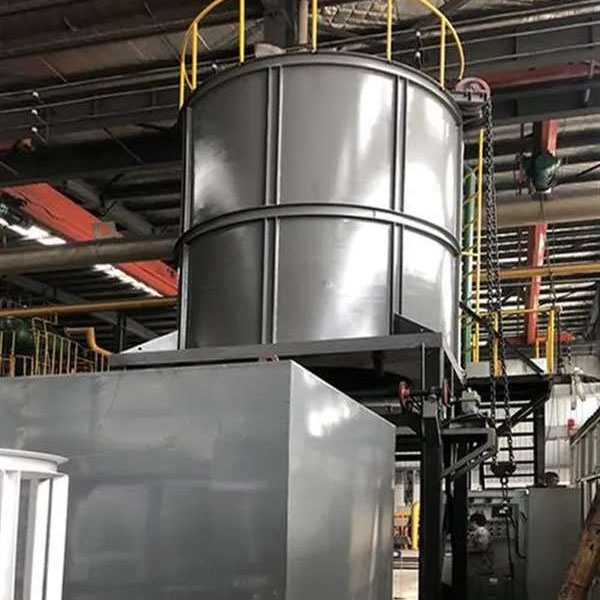
1. Vertical (Shaft) Aluminum Melting Furnaces
A vertical shaft furnace stacks the charge above the molten bath. Cold aluminum scrap or ingot feeds from the top while hot combustion gases preheat it on the way down. This counter-flow layout is the most fuel-efficient for continuous casting and small-to-medium billet production.
Best for: foundries and extrusion plants running steady, high-volume melts.
Strengths: compact footprint, lower fuel use, fast melt cycle.
Watch-outs: less flexible for frequent alloy changes, since residual metal in the shaft can mix.
See our standard Aluminum Melting Furnace range for shaft and batch designs built for extrusion billet.
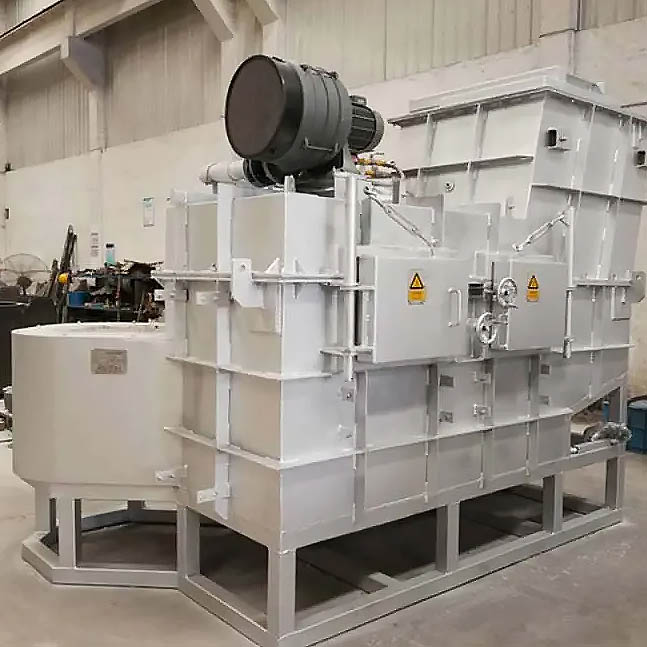
2. Horizontal (Reverberatory / Batch) Aluminum Melting Furnaces
A horizontal reverberatory furnace holds the bath in a long shallow hearth. Flames sweep across the surface from one end, melting the charge by radiation and convection. This is the classic design for flexible batch melting.
Best for: plants that melt many alloys or change recipes often.
Strengths: easy charging, simple maintenance, good alloy control.
Watch-outs: larger footprint and higher surface exposure mean more oxidation loss than a shaft furnace.
For clean electric heating, our Electric Furnace and Oil Furnace options cover both batch and holding duties.
3. Regenerative Aluminum Melting Furnaces
A regenerative furnace adds a pair of regenerative burners that capture heat from the exhaust and return it to the incoming air. By preheating combustion air to high temperatures, it cuts fuel use sharply versus a standard reverberatory furnace. Regenerative combustion is the key upgrade we detail in our energy-saving guide.
Best for: plants with rising energy costs that melt large volumes continuously.
Strengths: highest thermal efficiency among flame-heated designs, lower emissions.
Watch-outs: higher upfront cost and more controls to maintain.
Pair it with our Aluminum Induction Melting Furnace when you need fast, clean melts for specialty alloys.
4. Side-by-Side Comparison of Furnace Types
The table below compares the three designs on the factors plant owners weigh most. Use it to shortlist, then we will tune the exact model to your output.
| Factor | Vertical (Shaft) | Horizontal (Reverberatory) | Regenerative |
|---|---|---|---|
| Energy efficiency | High | Medium | Highest |
| Floor footprint | Compact (vertical) | Large (horizontal) | Large (horizontal) |
| Alloy flexibility | Low to medium | High | Medium to high |
| Melting loss (oxidation) | Low | Medium to high | Low to medium |
| Best output pattern | Steady, high volume | Flexible batch | Steady, high volume |
| Upfront cost | Medium | Lower | Higher |
5. How to Choose the Right Furnace Type for Your Plant
Match the furnace to your reality, not to a brochure:
Output pattern: steady high volume favors a vertical or regenerative furnace; varied batch work favors a horizontal reverberatory furnace.
Energy cost: if power or gas is expensive, the regenerative design pays back fastest on fuel savings.
Alloy mix: many alloy changes point to a horizontal furnace with clean batch control.
Floor space: a vertical shaft furnace saves ground area when the bay is tight.
Budget: every furnace is customized, so we quote per project after we see your layout and melt target.
6. Complete Your Line: The JY Extrusion Press Series
A melting furnace only earns its keep when it feeds a reliable press. Our JY extrusion press series is the downstream equipment that turns your molten billet into finished profiles. The model number equals the nominal tonnage, with rated extrusion force from 6,300 KN (630 ton) to 25,000 KN (2,500 ton) at a stable 21 MPa working pressure.
| Model | Rated Extrusion Force (KN) | Fixed Work Stress (MPa) | Locking Force (KN) | Perforation Force (KN) | Extruding Speed (mm/s) | Main Motor Power (KW) | Barrel Inner Hole (mm) | Host Dimensions (L x W x H, m) |
|---|---|---|---|---|---|---|---|---|
| JY-630 | 6300 | 21 | 633 | 1030 | 40 | 75 KW x3 | Dia. 85-115 x 500 | 6.8 x 2.3 x 2.8 |
| JY-800 | 8000 | 21 | 633 | 1030 | 50 | 132 KW x3 | Dia. 105-135 x 550 | 9.2 x 2.3 x 3.1 |
| JY-1000 | 10000 | 21 | 800 | 1293 | 40 | 132 KW x3 | Dia. 125-135 x 600 | 10 x 2.4 x 3.3 |
| JY-1250 | 12500 | 21 | 800 | 1293 | 50 | 132 KW x4 | Dia. 135-165 x 650 | 11.5 x 2.5 x 3.4 |
| JY-1630 | 16300 | 21 | 1586 | 2500 | 40 | 132 KW x5 | Dia. 155-205 x 750 | 13.5 x 4.2 x 4.1 |
| JY-1800 | 18000 | 21 | 1586 | 2800 | 40 | 132 KW x6 | Dia. 175-225 x 800 | 14.5 x 4.2 x 4.1 |
| JY-2200 | 22000 | 21 | 1586 | 3000 | 40 | 132 KW x7 | Dia. 195-245 x 900 | 15.5 x 4.7 x 4.5 |
| JY-2500 | 25000 | 21 | 1586 | 3500 | 40 | 132 KW x8 | Dia. 205-265 x 1000 | 18 x 5 x 4.8 |
Because both furnace and press are engineered by Dalian Jiuying (brand J&Y) under one quality system, you get a matched line rather than mismatched suppliers. Mitsubishi touch screens, Schneider electrical parts, and Rexroth pumps are standard across the platform.
7. Frequently Asked Questions
What are the main aluminum melting furnace types?
The three common designs are vertical (shaft), horizontal (reverberatory or batch), and regenerative. Vertical furnaces are compact and efficient for steady melts; horizontal furnaces offer alloy flexibility; regenerative furnaces add heat-recovery burners for the lowest fuel use.
Which furnace type saves the most energy?
Regenerative furnaces save the most fuel among flame-heated designs because they preheat combustion air with recovered exhaust heat. A vertical shaft furnace is also efficient thanks to counter-flow preheating. The best choice depends on your output pattern and energy prices.
Which furnace is best for many alloy changes?
A horizontal reverberatory or batch furnace is best when you switch alloys often, because its open hearth is easy to clean and charge. Vertical shaft furnaces are less suited to frequent recipe changes due to residual metal in the shaft.
How much does an aluminum melting furnace cost?
All our furnaces are customized to capacity, fuel type, and layout, so pricing is quoted per project rather than from a fixed list. Tell us your melt target and site, and we will send a tailored quotation with a plant layout drawing.
Do you supply the full extrusion line, not just the furnace?
Yes. Beyond melting furnaces we supply induction furnaces, electric and oil furnaces, tempering furnaces, and the JY extrusion press series, so you can plan one matched production line with a single quality system and one warranty.
Get a Custom Furnace Solution and Free Plant Layout
Every J&Y furnace is built to your specs, so we quote per project after reviewing your melt target, fuel supply, and floor plan. Share your requirements and we will send a tailored furnace recommendation plus a free plant layout drawing for your workshop.
Contact: David Liu, Email: [email protected] | WhatsApp: +86 13394110095 | Contact form
More guides and case studies are in our blog.