

The journey of transformation from scrap aluminum to aluminum ingots
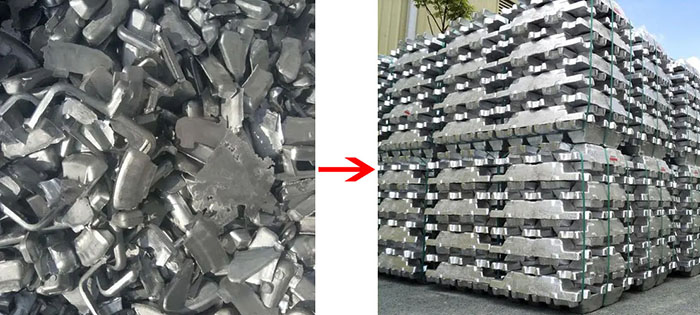
Transforming Scrap Aluminum into High-Quality Aluminum Ingots
The process of converting scrap aluminum into high-quality aluminum ingots is a sophisticated industrial procedure, relying on a series of specialized machines and advanced technologies. At Dalian Jiuying Heavy Machine Co., Ltd., we provide complete aluminum scrap recycling production line solutions to ensure efficiency, product consistency, and sustainability.
Step 1: Shredding Scrap Aluminum
Shredding machines break down aluminum scrap into manageable sizes. These machines handle various shapes and thicknesses of scrap, preparing them for cleaning and melting. Efficient shredding is critical for maximizing yield and ensuring smooth operation downstream.
Step 2: Cleaning Aluminum Scrap
Shredded aluminum pieces are processed through cleaning machines to remove contaminants such as dirt, oil, and adhesives. Clean scrap is essential for producing high-purity aluminum ingots, minimizing defects and improving metallurgical properties.
Step 3: Sorting and Separation
Advanced sorting systems, including magnetic separators and eddy current separators, categorize aluminum scrap by type and quality. This ensures that the right material enters the melting process, enhancing consistency and reducing alloy contamination.
Step 4: Melting Scrap Aluminum
Melting furnaces such as rotary or reverberatory types are used to efficiently melt aluminum while minimizing oxidation. Temperature and process control are vital for achieving a homogeneous molten aluminum suitable for ingot production.
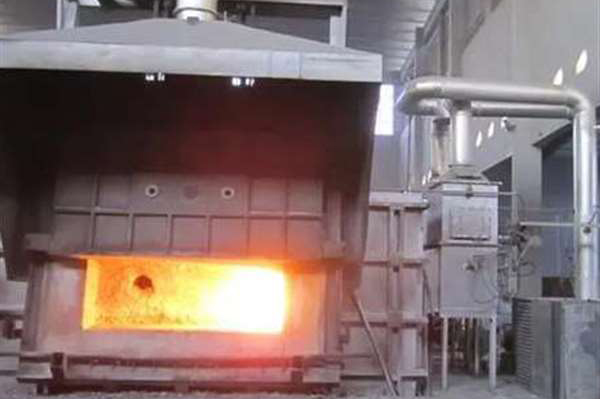
Step 5: Impurity Removal and Alloying
During melting, impurity removal systems skim off oxides and other unwanted elements from the surface. Alloying elements can then be added in a controlled manner to produce aluminum ingots with specific properties, such as enhanced strength, corrosion resistance, or conductivity.
Step 6: Casting Aluminum Ingots
The molten aluminum is poured into molds using casting machines. Methods such as direct chill (DC) casting produce uniform ingots with consistent dimensions, ready for industrial or commercial applications.
Step 7: Cooling and Solidification
Cooling systems, including water-cooled or fan-assisted setups, rapidly reduce the temperature of the cast ingots. Proper cooling ensures high structural integrity and prevents internal stress or cracks in the aluminum ingots.
Step 8: Packaging and Storage
Final packaging machines automate the process of securely packing aluminum ingots for storage or shipment. Proper packaging maintains product quality and facilitates logistics for downstream industries.
Why Invest in a Scrap Aluminum Recycling Production Line?
Investing in a complete scrap aluminum recycling and ingot production line offers multiple advantages:
- High efficiency and stable production using advanced machines
- Customized solutions for ingot size, alloy composition, and production capacity
- Energy-saving and environmentally friendly operations
- Strict quality control to produce premium aluminum ingots suitable for automotive, aerospace, and industrial applications
- Technical support from experienced engineers for installation, commissioning, and maintenance
Applications of Recycled Aluminum Ingots
Our aluminum ingots from scrap recycling are widely used in:
- Automotive manufacturing, including lightweight body panels
- Construction materials and aluminum profiles
- Electrical components and conductors
- Industrial machinery and tooling
Partner with Jiuying for Your Aluminum Recycling Projects
Every recycling project has unique requirements. Jiuying provides tailor-made aluminum scrap recycling solutions that optimize production efficiency, reduce waste, and ensure high-quality ingots.
Why Send an Inquiry?
- Personalized Assistance: Custom solutions for your production needs
- Quick Response: Dedicated team replies within 24 hours
- Expert Advice: Guidance from industry professionals for process optimization