

How to Choose the Right Aluminum Melting Furnace (Crucible vs Induction vs Gas)
| Furnace Type | Heating Method | Capacity Range (kg) | Most Suitable | Energy Savings |
|---|---|---|---|---|
| Natural Gas Crucible Furnace (664) | Low-NOx Gas Burner | 200-1000 kg | Casting/Laboratory/Small Batch/Al-Zn-Pb | Low-NOx Combustion, Flue Gas Waste Heat Recovery |
| Electric Holding Furnace (667) | Electrical Immersion (No Crucible) | 300-1000 kg | Die Casting Holding, High Purity | PID ±1°C, No Iron Contamination |
| Induction Furnace (658) | Electromagnetic Induction | 200-1000 kg | Alloy Melting/Holding, Fast Melting | Saves 25%-40% vs Resistance Furnace |
| Heat Recovery Gas Furnace (661) | Gas Heat Recovery Burner | 350-1000 kg | Die Casting/Automotive Parts | Saves 20%-35% vs Non-Heat Recovery |
| Integrated Melting-Holding Furnace (670) | Gas + Flue Gas Preheat | 1000-8000 kg | Centralized Aluminum Supply, High Volume | Flue Gas Waste Heat Recovery Saves 15%-25% |
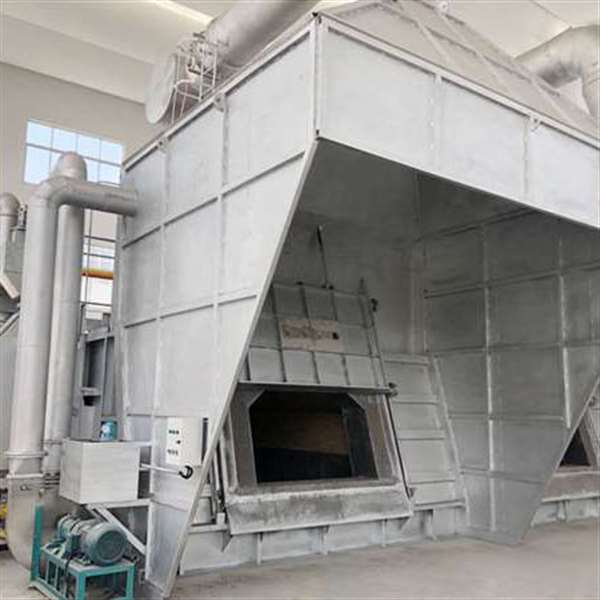
Selecting the right aluminum melting furnace is one of the most critical decisions when building an aluminum processing line. With five fundamentally different technologies-crucible, induction, gas, and electric-you need a clear comparison to match your capacity, purity requirements, energy costs, and production scale. JY's complete furnace lineup covers every application from 200 kg laboratory setups to 8000 kg production plants.
Key Selection Factors
1. Melting Capacity and Production Rate
For small workshops and prototype development (200-500 kg), consider the Natural Gas Crucible Furnace (664) or Electric Holding Furnace (667). These units offer precise temperature control and are ideal for laboratory or small-batch production. For medium-scale operations (500-1000 kg), all five furnace types are viable options. The Integrated Melting-Holding Furnace (670) excels at larger scales (1000-8000 kg) where continuous, high-volume aluminum supply is required.
2. Alloy Requirements and Purity
If you process high-purity alloys or require strict contamination control, the Electric Holding Furnace (667) provides the best environment with no iron contamination. The Induction Furnace (658) offers rapid melting and excellent temperature uniformity, making it perfect for alloy homogenization. For standard aluminum alloys, the Natural Gas Crucible Furnace (664) and Heat Recovery Gas Furnace (661) deliver reliable performance at competitive costs.
3. Energy Efficiency and Operating Costs
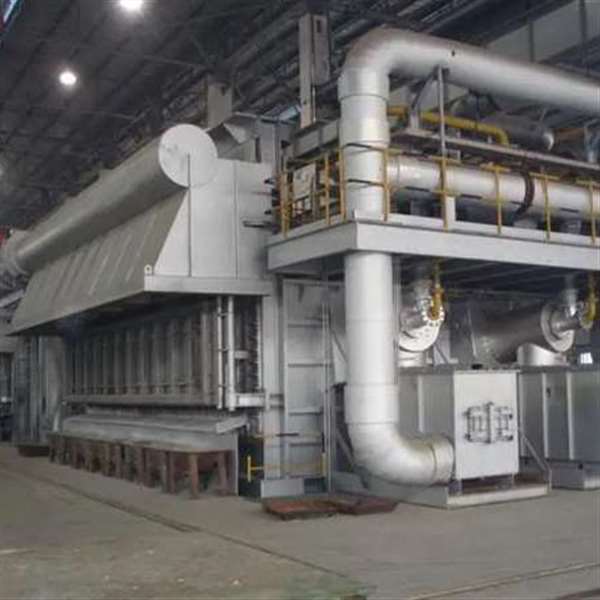
The Induction Furnace (658) offers the highest energy savings, reducing consumption by 25-40% compared to traditional resistance furnaces. The Heat Recovery Gas Furnace (661) saves 20-35% versus conventional gas burners. The Integrated Melting-Holding Furnace (670) achieves 15-25% savings through waste heat recovery. Electric options (Electric Holding Furnace) provide consistent energy costs but may have higher electricity rates in your region.
4. Facility Layout and Installation
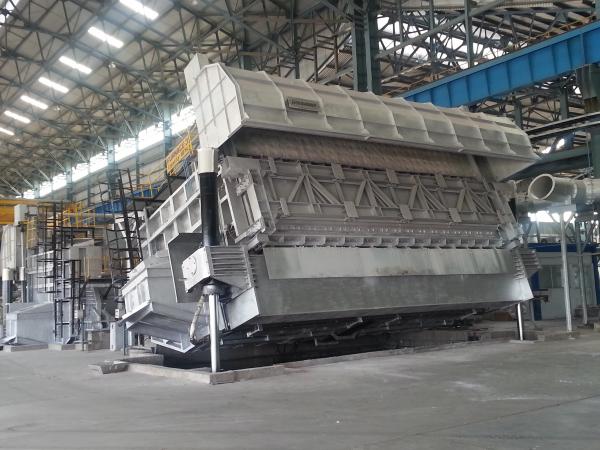
Crucible furnaces (Natural Gas Crucible Furnace) require the most floor space but have the simplest installation. Induction furnaces (Induction Furnace) are compact and can be installed in confined spaces. The Integrated Melting-Holding Furnace combines melting and holding in one unit, reducing the overall footprint for centralized supply applications.
Internal Links
For more information about furnace solutions, please visit:
Frequently Asked Questions
What aluminum melting furnace capacity do I need for my operation?
Capacity depends on your production volume. For 200-500 kg daily melting, a Natural Gas Crucible Furnace (664) or Electric Holding Furnace (667) is suitable. For 500-1000 kg, all furnace types work well. For 1000-8000 kg continuous operation, the Integrated Melting-Holding Furnace (670) is the optimal choice.
Which furnace technology saves the most energy?
The Induction Furnace (658) offers the highest energy efficiency, saving 25-40% compared to traditional electric resistance furnaces. The Heat Recovery Gas Furnace (661) saves 20-35% versus conventional gas burners. Consider your local energy costs when making this decision.
What maintenance is required for induction furnaces?
Induction furnaces require regular inspection of the water cooling system, coil maintenance, and power supply checks. Lubrication of moving parts is minimal. The Electric Holding Furnace requires more frequent cleaning and filtration maintenance. All gas-fired furnaces need burner maintenance and combustion gas analysis.
Can I switch between different alloy types in the same furnace?
The Electric Holding Furnace and Induction Furnace offer the best flexibility for alloy switching with quick temperature changes and minimal cross-contamination. The Natural Gas Crucible Furnace requires thorough cleaning between alloys. Always follow the manufacturer's alloy changeover procedures.
What is the typical ROI timeline for energy-saving furnaces?
The Induction Furnace (658) typically achieves ROI within 12-18 months through energy savings alone. The Heat Recovery Gas Furnace (661) achieves ROI within 18-24 months. The Integrated Melting-Holding Furnace (670) may take 24-36 months due to higher initial investment but offers the best long-term operational savings.
Contact us for expert guidance on selecting the best aluminum melting furnace for your operation:
Email: [email protected]
WhatsApp: +86 13394110095
Free plant layout drawing available upon request